


Park Slope vs. Prospect Heights: where should you rent?
When deciding between Park Slope and Prospect Heights for your rental, there are a few key factors to consider. Both neighborhoods, located in Brooklyn, offer unique living experiences, but the price is a significant differentiator. Park Slope has a median rent of $4,466, slightly less than Prospect Heights at $4,680. This difference might seem minor, but for renters on a budget, every dollar counts. Aside from rent, you may compare the living environment and available amenities. Park Slope hosts a larger variety of buildings, with 556 options against Prospect Heights' 178. Perhaps more crucially, the percentage of rent-stabilized units is higher in Prospect Heights at 51%, offering more long-term stability than Park Slope's 35%. However, if being pet-friendly is essential, Prospect Heights might be more appealing with 33% pet-friendly buildings compared to Park Slope's 26%. Explore each section in this guide to weigh other essential factors such as building conditions, tenant reviews, and the ease of getting around. By the end, you’ll have a clearer understanding of which neighborhood aligns best with your lifestyle and priorities, especially when it comes to rental prices and housing features.
Quick verdict
For renters weighing Park Slope against Prospect Heights, a few metrics stand out. Park Slope's median rent is $4,466, slightly lower than Prospect Heights, where the median rent is $4,680. This makes Park Slope the more budget-friendly option by 4.6%. This difference might not seem substantial but could sway budget-conscious renters.
In terms of housing variety, Park Slope has more buildings, with 556 options compared to Prospect Heights' 178. This offers prospective tenants a wider selection of potential homes. Adding to this, Park Slope also boasts a similar average building rating of 3.65, just above Prospect Heights' 3.64. While both neighborhoods offer pet-friendly and rent-stabilized housing, the percentages vary: Prospect Heights has more rent-stabilized units at 51%.
Hence, the decision boils down to specific needs like budget and housing stability. If affordability tops your list, Park Slope may be your ideal choice. However, for those prioritizing stability and a quieter living environment, Prospect Heights may align better with your needs.
Rent compared: Park Slope vs. Prospect Heights
Rent affordability is a vital concern for most renters, and when comparing Park Slope and Prospect Heights, the difference in median rent could influence your choice. Park Slope's median rent stands at $4,466, making it more affordable compared to Prospect Heights, where the median rent is $4,680. While the $214 difference seems modest, it accumulates over time, offering potential savings that could be used elsewhere, be it for dining, entertainment, or utilities.
Both areas have their rent advantages: Park Slope has a higher percentage of no-fee listings at 50%, as opposed to Prospect Heights' 53%. Thus, while Prospect Heights offers more no-fee options, Park Slope comes at a lower monthly rate, which might be ideal if your primary concern is the monthly outlay rather than upfront costs. Moreover, examining the rent by bedroom shows substantial gaps; for instance, a three-bedroom in Park Slope averages $5,495, while the same in Prospect Heights is $7,095.
It's vital to note these figures might not capture short-term fluctuations or the impact of personal lease negotiations. Whether you prioritize lower costs over more no-fee listings can guide your choice between these neighborhoods.
What each is like to live in
Living in Park Slope offers the tangible benefit of more variety in available housing, with 556 buildings providing different styles and sizes of apartments. Prospect Heights, on the other hand, offers a quieter residential setting with 178 buildings. The choice may depend on whether proximity to a denser array of restaurants and shops is a priority or if a smaller, potentially more community-focused living space is preferred.
In terms of rent stabilization, Prospect Heights leads with 51% of its units being rent-stabilized, which might appeal to tenants seeking long-term living stability. Comparatively, Park Slope’s 35% rent-stabilized units present fewer options for those looking to shield themselves from rapid rent hikes. Moreover, both neighborhoods offer pet-friendly accommodations, but Prospect Heights is slightly ahead with 33% pet-friendly buildings compared to Park Slope’s 26%.
Understanding what lifestyle fits your needs is crucial. Park Slope might appeal to those seeking variety and busy surroundings, while Prospect Heights could be preferable for those prioritizing stable rents and a quieter atmosphere. Take these elements into account on your next apartment tour to determine which environment aligns best with your lifestyle preferences.

Buildings and housing stock: Park Slope vs. Prospect Heights
The housing stock in Park Slope presents a broad selection with 556 buildings, offering more potential rental opportunities compared to Prospect Heights' 178 buildings. This means that new renters may find it easier to locate a desirable apartment in Park Slope due to its larger pool of available options.
Moreover, when it comes to pet-friendliness, Prospect Heights leads slightly with 33% of its buildings allowing pets, while Park Slope is at 26%. If having a pet is important, this might sway your preference toward Prospect Heights. Rent stabilization is another factor where Prospect Heights has the edge with 51% of units being stabilized, compared to 35% in Park Slope. This characteristic can provide tenants with more predictable rent increase scenarios.
These differences influence both availability and the diversity of housing across the two neighborhoods. Therefore, when exploring on-site tours or viewing options online, these factors should guide renters who prioritize selection, pet-friendliness, and rent stability.
What tenants say: Park Slope vs. Prospect Heights
According to tenant reviews, both Park Slope and Prospect Heights have their strengths and points of critique. Park Slope's buildings boast an average rating of 3.65, slightly higher than Prospect Heights' 3.64. This marginal difference suggests tenants' experiences are relatively aligned in terms of building quality, but even minor advantages could influence deciding factors.
Prospect Heights is notably the choice of a more vocal community, with 176 total building reviews compared to Park Slope's 553, indicating a more engaged tenant community in sharing feedback, which can be beneficial for prospective renters looking for insights. Additionally, the percentage of rent-stabilized units in Prospect Heights is greater, at 51%, contributing to a sense of stability and security for many tenants.
Tenants' sentiments often reflect personal priorities like noise levels, building management, and communal factors, which might differ slightly between the two neighborhoods. Therefore, it's helpful to read current reviews or reach out to residents for first-hand impressions before making a final decision.
Building condition and track record: Park Slope vs. Prospect Heights
Assessing building conditions and track records is pivotal in choosing a rental property. Park Slope presents a slightly better average building rating of 3.65 compared to Prospect Heights' 3.64. Though the difference is minimal, it suggests Park Slope buildings might offer a marginally better living experience in terms of maintenance and amenities.
In terms of total reviews, Park Slope's buildings have accumulated 553 reviews, suggesting more established tenant feedback compared to Prospect Heights, which has only 176 total reviews. More feedback can often point to more comprehensive insights into maintenance issues and tenant satisfaction.
However, one should not assess solely on building reviews and ratings. On-ground verification and inquiry into recent maintenance works, tenant turnover, and specific building amenities should form the basis of a comprehensive evaluation. Reaching out to current or past tenants for candid feedback can also offer valuable insights not found in online reviews.
Getting around compared
Park Slope and Prospect Heights, both located in Brooklyn, offer varying experiences in terms of getting around. As Park Slope consists of more buildings, 556 to be exact, it may offer more accessibility to local amenities and services due to its broader housing network. This could translate to shorter travel distances for daily errands.
Meanwhile, Prospect Heights, with 178 buildings, offers a smaller footprint but might appeal to those who value a less crowded environment. Its compact nature may be beneficial for pedestrians and cyclists, simplifying travel within its bounds. Additionally, both neighborhoods provide access to Brooklyn's public transit infrastructure, ensuring connectivity to the rest of the city.
Understanding the mobility options and accessibility of each neighborhood can help you decide which place suits your commuting needs best. Consider aspects like proximity to key areas you frequent, the availability of parking if you own a vehicle, or bike-friendly routes if you prefer cycling.
Which should you choose — Park Slope or Prospect Heights?
The choice between Park Slope and Prospect Heights hinges on personal priorities like rent, lifestyle needs, and housing preferences. Park Slope offers a median rent of $4,466, making it slightly more affordable than Prospect Heights, which has a median rent of $4,680. This small gap could influence budget-driven decisions.
Further considerations include the number of building options and overall housing characteristics. Park Slope with 556 buildings provides more variety, which could make finding a suitable apartment easier. In contrast, Prospect Heights, with 178 buildings, offers a more limited but potentially cozier neighborhood feel, with a higher percentage of rent-stabilized units at 51%, compared to Park Slope's 35%. This makes Prospect Heights a secure choice for those seeking stability in rent prices.
Ultimately, the decision may come down to whether you value variety and a possibly lower rent (Park Slope), or stability and a strong pet-friendly atmosphere (Prospect Heights). Weigh these factors in line with your personal lifestyle and financial goals when choosing your next Brooklyn neighborhood.
At a glance
- Park Slope offers lower median rent: $4,466 vs. $4,680 in Prospect Heights.
- Prospect Heights has a higher percentage of rent-stabilized units at 51%.
- Both neighborhoods have similar building ratings: Park Slope 3.65, Prospect Heights 3.64.
- More no-fee listings are available in Prospect Heights at 53%.
- Park Slope has more building options with 556 total buildings compared to 178.
FAQ
The bottom line
Browse current listings in Park Slope and Prospect Heights, or read what renters are saying about specific buildings on Openigloo.
Browse Park Slope listingsOther neighborhood guides nearby — same borough, different rent ranges and vibes. Useful when you're widening the search radius.

Moving to Downtown Brooklyn? Here's what renters should know

A complete renter's guide to Greenpoint
New to Williamsburg? A renter's starter guide
New to Crown Heights? A renter's starter guide
What it's really like to rent in Fort Greene
Renting in Gowanus: everything you need to know
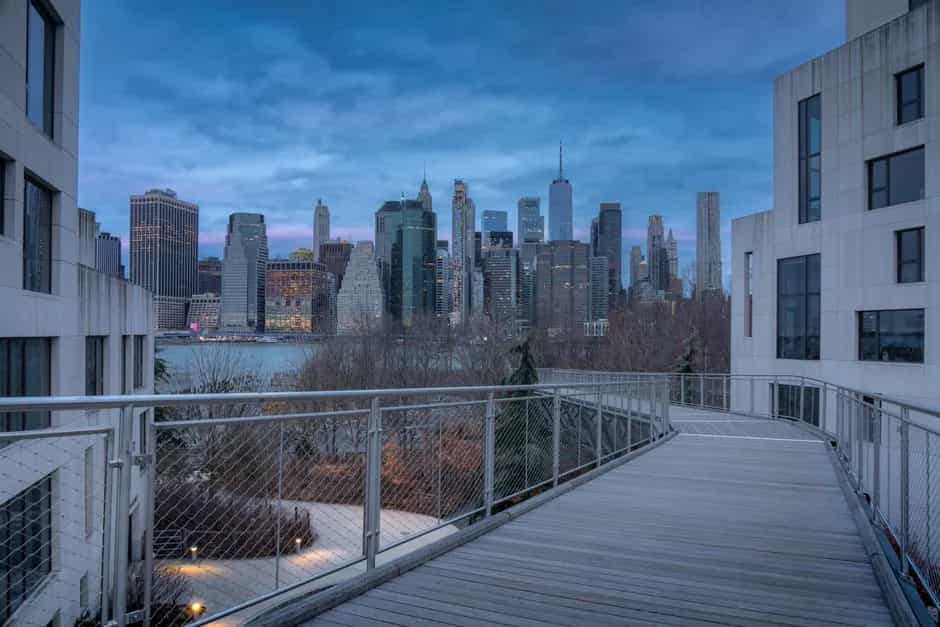
Renting in Brooklyn Heights: what to expect
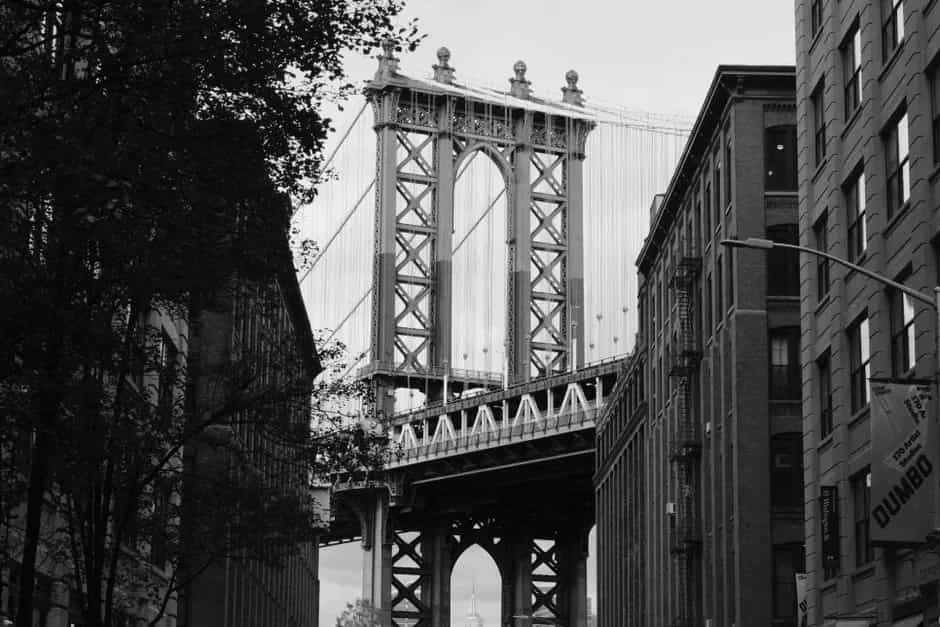
Renting in Bedford-Stuyvesant: what to expect
Other comparison pairs in the same theme — neighborhoods that come up in the same kinds of debates renters have when they're deciding where to live.

Choosing between Greenpoint and Williamsburg: a renter's guide
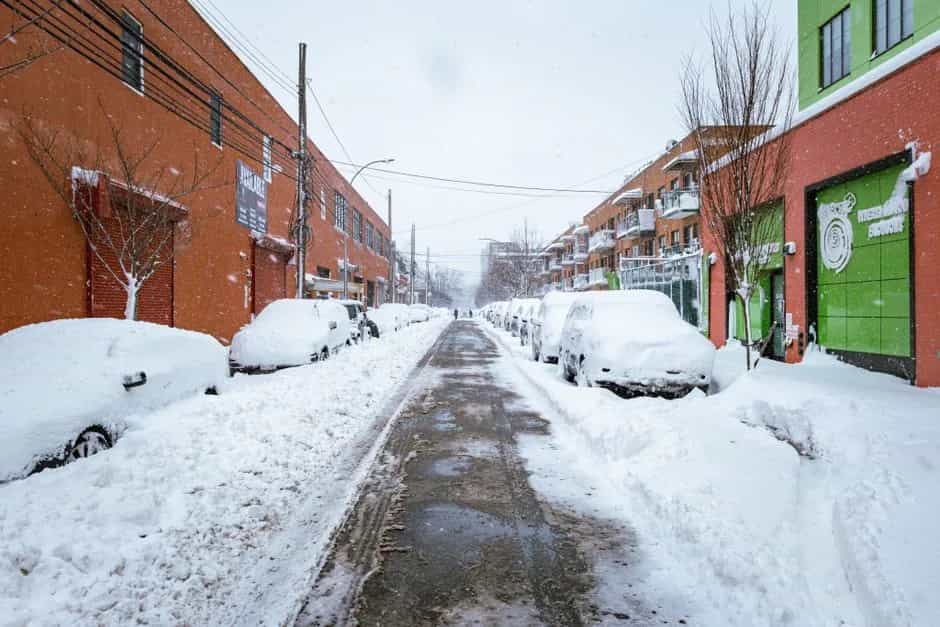
Astoria or Long Island City? A renter's comparison

Renting in East Village vs. Lower East Side: how they compare
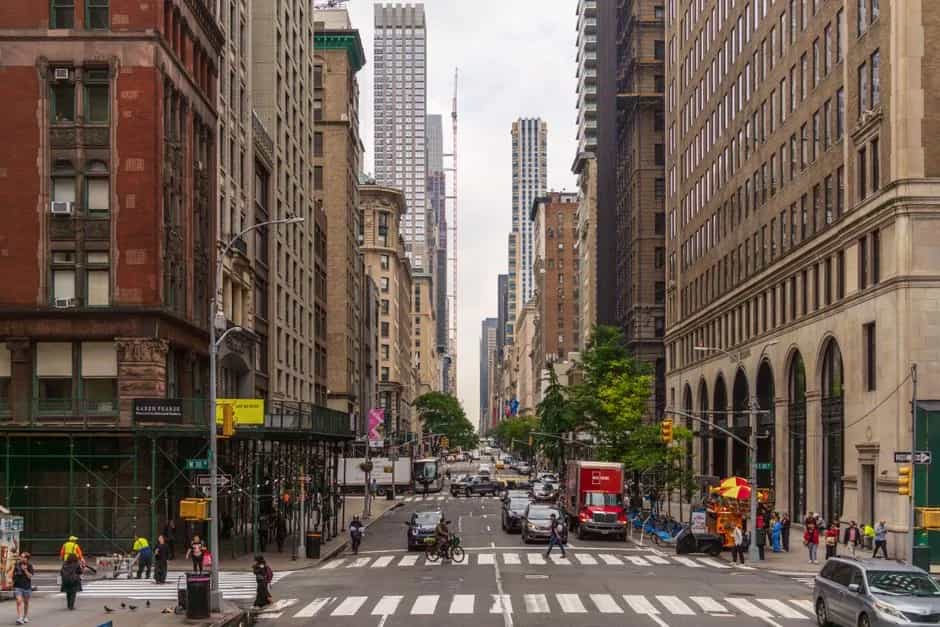
Kips Bay vs. Murray Hill: which neighborhood fits your budget and lifestyle?
Bedford-Stuyvesant vs. Bushwick: where should you rent?
Hell's Kitchen or Midtown West: which is the better place to rent?
Crown Heights or Prospect Lefferts Gardens? A renter's comparison
Should you rent in Carroll Gardens or Cobble Hill?