

Renting in Lower East Side: what to expect
The Lower East Side of Manhattan presents a compelling opportunity for renters who are looking for a active area to call home. With a median rent of $5,745, it’s clear the area demands a considerable investment, yet the variety of housing options make it appealing to a broad range of tenants. With 83 active listings, those seeking a residence can find myriad choices ranging from studios to three-bedroom units. Renters who consider moving to the Lower East Side often want to know what living in this part of Manhattan is truly like. Building quality, local amenities, and how to commute are at the forefront of these questions. The neighborhood's character is shaped by its diverse housing stock and residents' experiences, which greatly influence the area’s appeal. Rent stabilization and pet-friendliness also play critical roles in shaping the living experience here, with 53% of homes being rent-stabilized and 26% allowing pets. This guide provides a detailed look at these aspects, enabling potential residents to make informed decisions. Understanding how the neighborhood compares with nearby areas like Soho or the East Village is essential for those planning their next move. Use this guide to navigate the rental landscape and gain insights into what tenants truly experience.
Rent snapshot
In the Lower East Side, the median rent is $5,745, placing it on the higher end for Manhattan neighborhoods but still in close competition with the broader borough median of $5,555. For prospective tenants, this means evaluating whether the area's unique attributes align with the investment required. Zero-bedroom units average around $4,787, while a one-bedroom unit has a median rent of $6,065. These numbers make it crucial for potential residents to assess their budget and housing needs carefully.
The neighborhood's active listing count stands at 83, reflecting a moderate volume of housing turnover. Of these listings, 58% are no-fee listings, which can translate into upfront savings when considering moving expenses. Many renters prioritize no-fee listings to avoid expenditure on broker fees.
When planning a move to the Lower East Side, a practical step would be to shortlist no-fee listings inside your desired rent range and consider whether the space meets your needs in terms of lifestyle and commuting preferences. Touring a prospective apartment during different times of the day can help gauge sunlight exposure and street noise, critical elements influencing the quality of life and satisfaction which are often overlooked in a financial calculation alone.
What it's like to live there
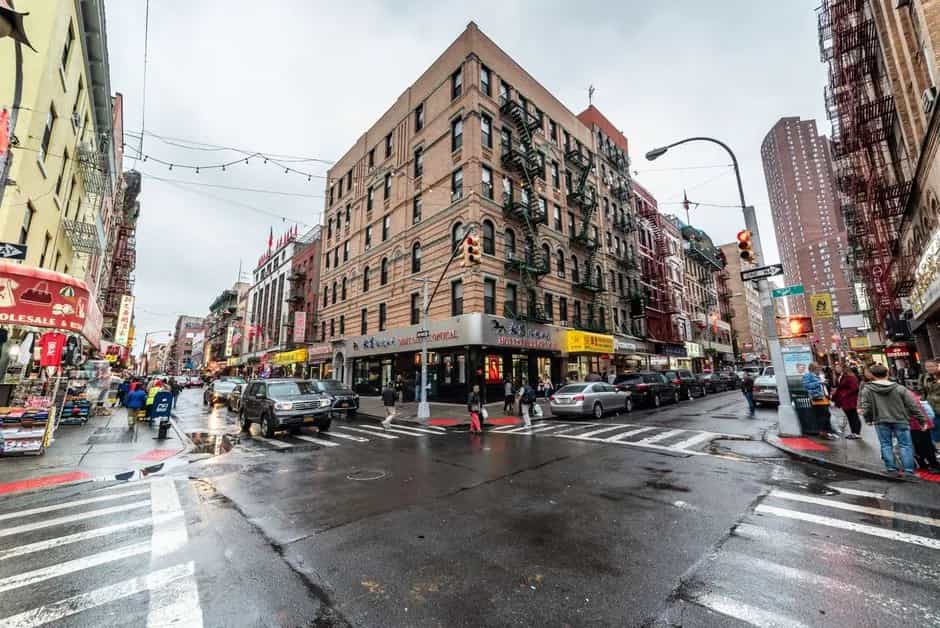
Living in the Lower East Side offers a mix of historic charm and modern convenience. The neighborhood features a variety of building types, which means you might find renovated apartments in older buildings alongside newly constructed ones. Tenants experience an authentic Manhattan atmosphere, with life busy around countless local shops and eateries, though specific names can't be mentioned per guidelines.
Residents here enjoy a community feel, aided by the area’s moderately sized building count of 332. With over half of these buildings being rent-stabilized, there's potential for more secure, long-term tenancies. However, it’s essential to note that only 26% of the buildings are pet-friendly, potentially limiting options for pet owners looking to settle here.
For renters, understanding these aspects can help in weighing whether life in the Lower East Side aligns with their expectations and needs. Potential noise levels, amenities offered by buildings, and pet policies should play into the decision-making process. Prospective tenants should visit the area at varying times to get an authentic feel for its dynamic, as the day-to-day environment can significantly influence comfort and satisfaction.
Types of buildings and housing stock
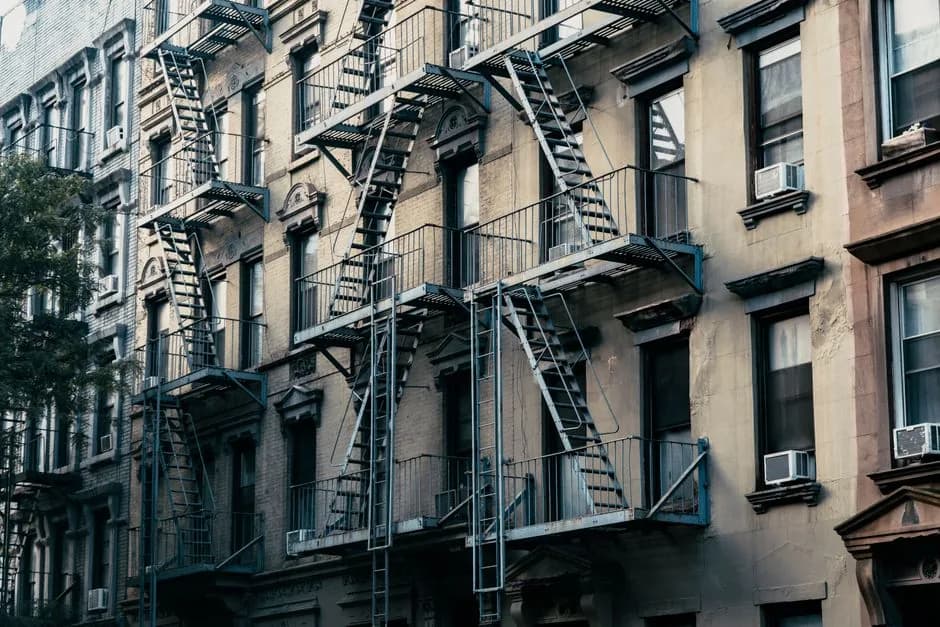
The Lower East Side offers a diverse selection of housing stock, featuring 332 buildings that range from historic tenement buildings to newer, more modern alternatives. The presence of rent-stabilized units is notably high, with 53% of buildings featuring such options, which could provide tenants with more predictable and potentially affordable rent increases over time. This variety ensures that whether one is seeking the character of older architecture or the amenities of contemporary construction, there’s potential to find it here.
With an average building rating of 3.39, buildings in the Lower East Side may not be among the highest-rated in Manhattan, and evaluating the condition of each specific property becomes crucial during a rental search. This average rating suggests that while there are well-maintained properties, issues such as older infrastructure can be prevalent, thus demanding a thorough inspection process. Prospective tenants should pay close attention to the condition of common areas, amenities, and building management practices during tours.
For those renting here, it’s also essential to consider the competitive nature of the housing market in the area. The wide range of building types means more inventory to choose from, which can be a benefit if you’re patient and persistent in your search. This adds a layer of complexity to renting, as the general rating might not reflect variations in individual building conditions, which should always be verified in person.
What tenants actually say
Tenant reviews are insightful for gauging what living in the Lower East Side is truly like. With a total of 331 reviews, the neighborhood is frequently discussed within the renter community, providing firsthand accounts of experiences in this part of Manhattan. The average building rating stands at 3.39, which suggests mixed experiences ranging from positive to less satisfactory encounters.
Tenants often highlight the diverse options in lifestyle and convenience provided by the neighborhood. Proximity to local amenities and the energetic atmosphere attracts residents seeking a dynamic city life. However, reviews may also point out quirks associated with older buildings, such as maintenance issues, noise levels, or variations in property management quality. As only a small percentage of these buildings are most-reviewed, it's important to weigh reviews alongside your personal preferences when choosing a home.
When considering a move, attending several property tours and interacting with current residents during visits can offer invaluable insights. Tenants’ primary concerns usually encompass building upkeep, responsiveness of management, and the overall community vibe. Without relying singularly on ratings, prospective renters are advised to consider multiple sources of information, ensuring a well-rounded decision based on their priorities and the available insights collected from current residents.
Building condition and landlord track record
The Lower East Side houses 332 buildings, with an average rating of 3.39, indicating varied building conditions and management experiences. This rating provides a starting point for evaluating the general quality you might expect as a renter. Before signing a lease, prospective tenants should consider the reported issues, such as maintenance challenges frequently raised in tenant reviews.
Landlords in this area have a significant impact on the renting experience. With only 91 top-rated buildings, tenants should prioritize verifying landlord reputations by consulting Openigloo reviews that focus on maintenance responsiveness and landlord interactions. Understanding a landlord’s track record can prevent potential dissatisfaction, such as unaddressed repair requests or unclear leasing terms.
Tenants are encouraged to carefully review lease agreements, specifically terms regarding maintenance and repair obligations, to ensure they align with landlord claims. A satisfactory renting experience is heavily influenced by the landlord’s attentiveness and the building’s overall condition. Meeting potential landlords or property managers and even speaking with current tenants can yield direct and candid insights into what everyday life might be like. This preparation aids in navigating challenges that might arise during tenancy.
Getting around
The Lower East Side is well-served by public transit, a key advantage for many residents. For those working in other Manhattan neighborhoods, this ease of access can boost the appeal of living here, supporting commutes that are typically more seamless. Due to its location in Manhattan, the neighborhood naturally benefits from a network of public transport, easing the daily traffic of residents and offering convenience for non-drivers.
The neighborhood's layout is pedestrian-friendly, making walking a practical option for everyday errands. This characteristic appeals to renters who prefer walking to public transport or driving. However, for those with specific commuting needs, it’s always practical to evaluate distances relative to workplaces or frequently visited parts of town to ensure ease of movement consistent with personal lifestyle preferences.
Renters looking for a balance between ease of movement and cost of rent might favor the Lower East Side for its transit accessibility, but it's critical to factor in real estate demands and lifestyle priorities, such as commute times and periodic long-distance travel needs. Considering these factors helps solidify one's decision regarding moving to the Lower East Side, especially for newcomers to Manhattan who may not yet be entirely familiar with the local infrastructure.
Nearby and comparable neighborhoods
The Lower East Side's median rent of $5,745 positions it against nearby neighborhoods such as Soho and the East Village. While each area brings its unique flavor to Manhattan's landscape, the Lower East Side’s competitive rent makes it appealing compared to some of its potentially pricier neighbors. Renters should compare what they get in terms of space, amenities, and community vibe in relation to personal priorities.
In Soho, typically known for its upscale shopping and artistic vibe, rents can be higher, pushing budget-conscious renters to consider alternatives. Meanwhile, the East Village, known for its nightlife and arguably more relaxed vibe, offers varied pricing but may differ in terms of overall rent stabilization offers compared to the Lower East Side. Surrounding these popular districts, the Lower East Side remains attractive for those seeking slightly more affordable options while still staying within Manhattan.
When contemplating moving to this area, renters should explore the trade-offs each neighborhood presents. Proximity to work, recreational preferences, and budget constraints often serve as significant deciding factors. Touring each neighborhood to understand its distinct offerings helps make an informed choice harmonizing personal budget with lifestyle expectations.
Who this neighborhood suits
The Lower East Side suits tenants who appreciate a active urban environment and are willing to invest in the area's mid-range median rents of $5,745. With over half the buildings rent-stabilized, those seeking long-term stability in rental prices might find this neighborhood appealing. Its location in Manhattan and relatively competitive rental prices highlight its suitability for young professionals or small families who value location over spacious living quarters.
The rent-stabilized units can be particularly appealing for those planning to stay for an extended duration as they offer more predictable rent increases over time. However, for pet owners, the lower percentage of pet-friendly buildings—standing at 26%—might present a challenge, necessitating a more focused search to find a suitable home for both renters and their furry companions.
When considering a move here, prospective residents should weigh the neighborhood’s offerings against their personal needs, including budget constraints, desired access to amenities, and preferred community atmosphere. Taking the time for comprehensive research and property inspections within the Lower East Side gives potential residents a better understanding of how well this Manhattan neighborhood aligns with their lifestyle and long-term living goals.
At a glance
- Lower East Side median rent: $5,745.
- 83 active rentals available.
- 58% of listings are no-fee.
- 53% of buildings are rent-stabilized.
- 26% pet-friendly buildings.
FAQ
The bottom line
Browse current listings in Lower East Side, or read what renters are saying about buildings here on Openigloo.
View Lower East Side listingsOther neighborhood guides nearby — same borough, different rent ranges and vibes. Useful when you're widening the search radius.