

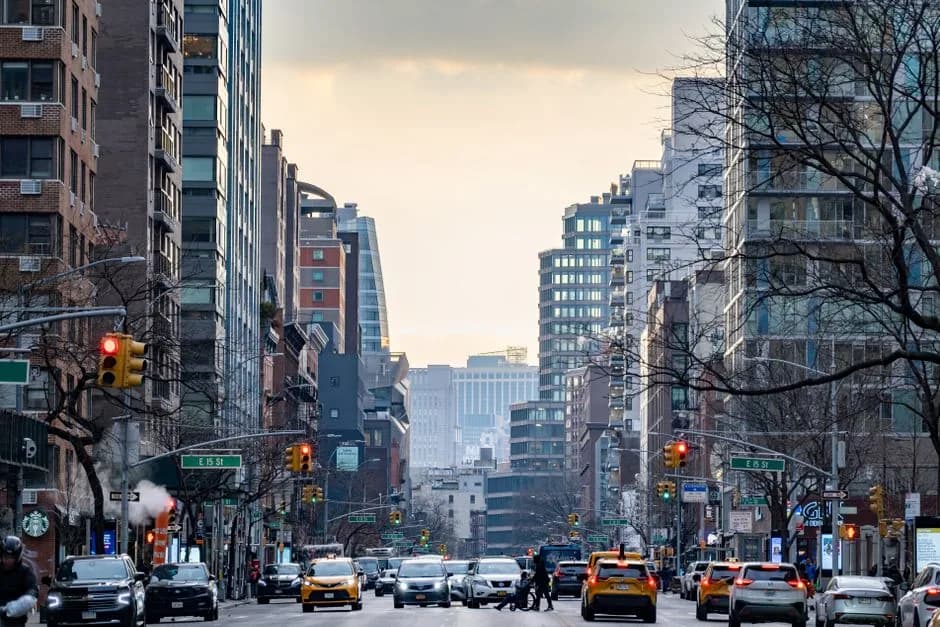
Inwood vs. Washington Heights: which neighborhood is right for you?
When choosing between Inwood and Washington Heights, renters often wonder which neighborhood offers better value and livability. Inwood has a median rent of $3,304, while Washington Heights comes in slightly lower at $3,200. Beyond rent, examining building quality, public transit availability, and neighborhood character can help make an informed decision. For renters, the pivotal decision often hinges on what each area provides in terms of lifestyle and amenities. Washington Heights offers more active listings—55 compared to Inwood's 21—which translates into more choices for prospective tenants. However, Inwood compensates with a slightly higher percentage of rent-stabilized properties at 83%, catering to those seeking long-term housing stability. In this guide, we’ll break down the rental market, describe day-to-day living in each neighborhood, and share insights from current residents. Understanding these factors can be crucial to making a choice that aligns with your priorities.
Quick verdict
Choosing between Inwood and Washington Heights is often guided by rent prices and housing options. Washington Heights presents a slight edge in affordability with a median rent of $3,200, just 3.2% less than Inwood's $3,304. Your budget may benefit from this difference slightly, especially if you are looking for long-term savings.
Beyond rent, the count of available listings is telling. Washington Heights has 55 active listings, offering a wider array of choices compared to Inwood's 21. While Inwood presents fewer immediate options, its higher percentage of rent-stabilized (83%) and no-fee listings (62%) can be enticing for renters seeking cost-effective and stable tenancy.
Ultimately, consider whether availability or rent stabilization aligns more closely with your renting goals. If you prioritize predictability in your rental payments, Inwood may appeal more. However, if having more choices outweighs slight cost considerations, Washington Heights might be preferable.
Rent compared: Inwood vs. Washington Heights
Examining rent prices, Inwood's median rent stands at $3,304. Meanwhile, Washington Heights offers a slightly lower median rent of $3,200, representing a 3.2% cost reduction. This cost difference can be significant for budget-conscious individuals or families prioritizing rental affordability.
Inwood's average rent peaks at $3,235, while Washington Heights averages $3,343. This suggests higher variability in rent costs within Washington Heights, though it implies opportunities for lower-cost rentals within Inwood's tighter range. Particularly, Inwood's percentage of no-fee listings—62% compared to Washington Heights' 27%—can be an attractive proposition for those wishing to avoid hefty broker fees.
When making a decision, consider how important upfront costs and long-term expenses are to your lifestyle. Ensure real estate tours verify condition and cost alignment with expectations, and remember that broader market trends may affect these rent figures over time.
What each is like to live in
Inwood offers a distinctive residential experience with 161 available buildings, reflecting a smaller, more contained neighborhood feel. On the other hand, Washington Heights, with 342 buildings, suggests a richer array of architectural styles and housing types, potentially offering more diversity in living experiences.
With 83% of Inwood's buildings being rent-stabilized, renters can find housing options that promise stability and predictable rent increases. This is conducive for those looking to settle for an extended period. Meanwhile, Washington Heights offers 79% rent-stabilized buildings, balancing between stability and flexibility, appealing to both long-term residents and those open to relocating as they advance life or career goals.
Overall, each area provides its own blend of community atmosphere and accessible amenities, letting you prioritize whether stability or architectural diversity calls to you more strongly. You'll find each bearing its own rhythm of life based on community, service availability, and personal preference.
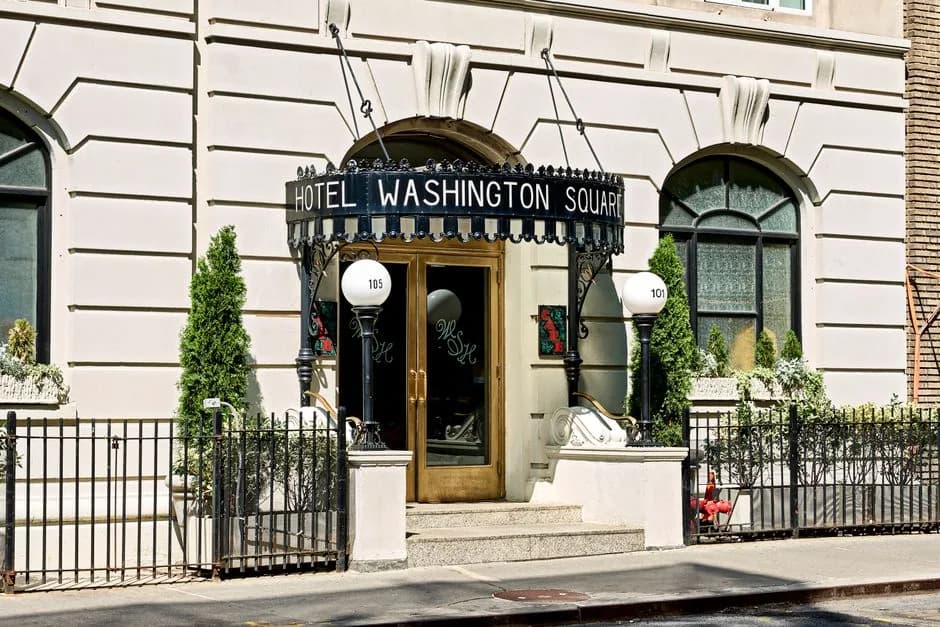
Buildings and housing stock: Inwood vs. Washington Heights
Inwood features a lower count of buildings at 161, providing a more intimate housing market compared to Washington Heights with 342 buildings. This disparity indicates a broader range of available styles and configurations in Washington Heights, which might appeal to those valuing architectural variety.
In terms of pet-friendliness, Washington Heights edges slightly ahead with 28% of its buildings compared to Inwood's 26%. Pet owners may find a marginally warmer welcome in Washington Heights, though both neighborhoods present reasonable options.
Rent-stabilized options are more prevalent in Inwood at 83%, which could influence prospective tenants seeking stability in rent costs. Washington Heights, while offering 79% rent-stabilization, brings a broader selection and potentially newer housing options. Investigating local building histories and ratings during tours can shed light on which best matches your needs.
What tenants say: Inwood vs. Washington Heights
Feedback from renters in both neighborhoods illustrates the varied living conditions one might encounter. In Washington Heights, with a building average rating of 3.03, tenants generally report satisfactory living environments. However, Inwood slightly trails with an average rating of 3.01, suggesting tenants have modest feedback on building experiences.
The availability of reviews might influence how prospective renters perceive community engagement and building transparency. With no most-reviewed buildings prominently standing out in either area, it’s essential for renters to rely on in-person visits and direct communication with current tenants for building insights.
Evaluating tenant feedback helps renters uncover real-life quirks and benefits seldom captured in statistical data. Ensuring open dialogues with building management and current residents can offer clarity and confidence in rental decisions.
Building condition and track record: Inwood vs. Washington Heights
When reviewing building conditions, Washington Heights holds a slight edge with an average building rating of 3.03 compared to Inwood’s 3.01. While the difference is minor, it suggests Washington Heights buildings might have slightly better maintenance records or tenant satisfaction. However, both neighborhoods share moderate satisfaction levels.
The number of top-rated buildings also provides insight—Washington Heights features 52, whereas Inwood includes 29. This may indicate a broader array of high-quality living spaces in Washington Heights, with more opportunities for renters to find well-reputed residences.
Prospective renters should focus on buildings’ track records through direct tenant conversations and condition assessments during tours. Recognizing each building’s history and tenant feedback could help set expectations for your living experience in either neighborhood.
Getting around compared
In terms of getting around, both Inwood and Washington Heights benefit from Manhattan's robust public transportation network, making them accessible hubs for daily commutes within and out of the borough. While specific transit stops are not detailed, renters can expect general ease of movement due to well-served transit systems supporting both neighborhoods.
Inwood's relatively fewer active listings suggest a less dense neighborhood, potentially translating to less crowded commutes compared to the more populous Washington Heights. However, Washington Heights' broader building count may contribute to active residential and commercial interaction, beneficial for those seeking active communal experiences.
For those considering daily commute times or ease of access to amenities, investigate proximity to public transit lines during apartment tours as travel efficiency can significantly affect quality of life, especially in a busy city like New York.
Which should you choose — Inwood or Washington Heights?
Deciding between Inwood and Washington Heights requires weighing various factors. Inwood offers a slightly higher median rent at $3,304, with more rent-stabilized options at 83%. Meanwhile, Washington Heights provides a broader variety of choices with 55 active listings and a slightly lower median rent at $3,200.
Washington Heights appears to cater better to those seeking a broad selection in housing and possibly lower upfront costs, especially if negotiating no-fee listings interests you. In contrast, Inwood might suit individuals prioritizing longer-term stability in rental costs and community ambiance.
Ultimately, your decision may hinge on what aligns best with your financial goals and lifestyle preferences. Evaluate each neighborhood during prospective visits to determine which community, building quality, and living conditions genuinely resonate with your needs, ensuring informed and satisfactory rental choices.
At a glance
- Inwood's median rent is $3,304; Washington Heights is $3,200.
- Washington Heights has 55 active listings, Inwood offers 21.
- 83% of Inwood's buildings are rent-stabilized, vs 79% in Washington Heights.
- Washington Heights has 28% pet-friendly buildings; Inwood has 26%.
- Inwood features more no-fee listings at 62%.
- Washington Heights holds 52 top-rated buildings compared to Inwood's 29.
FAQ
The bottom line
Browse current listings in Inwood and Washington Heights, or read what renters are saying about specific buildings on Openigloo.
Browse Inwood listingsOther neighborhood guides nearby — same borough, different rent ranges and vibes. Useful when you're widening the search radius.


Other comparison pairs in the same theme — neighborhoods that come up in the same kinds of debates renters have when they're deciding where to live.

Choosing between Greenpoint and Williamsburg: a renter's guide
Astoria or Long Island City? A renter's comparison

Renting in East Village vs. Lower East Side: how they compare

Park Slope vs. Prospect Heights: where should you rent?
Kips Bay vs. Murray Hill: which neighborhood fits your budget and lifestyle?
Bedford-Stuyvesant vs. Bushwick: where should you rent?
Hell's Kitchen or Midtown West: which is the better place to rent?
Crown Heights or Prospect Lefferts Gardens? A renter's comparison